My Takeaways from GDG Cloud Manila BWAI
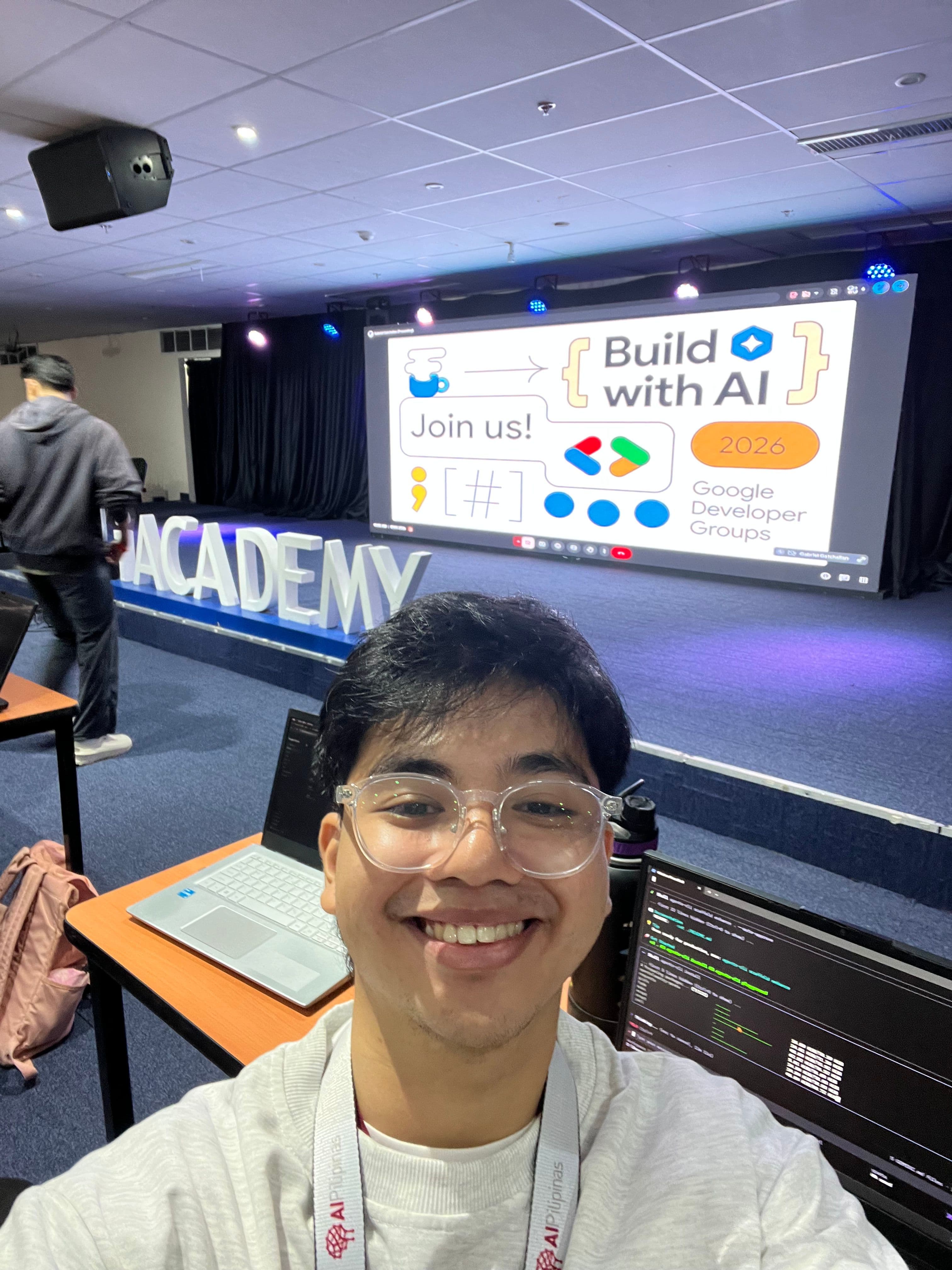
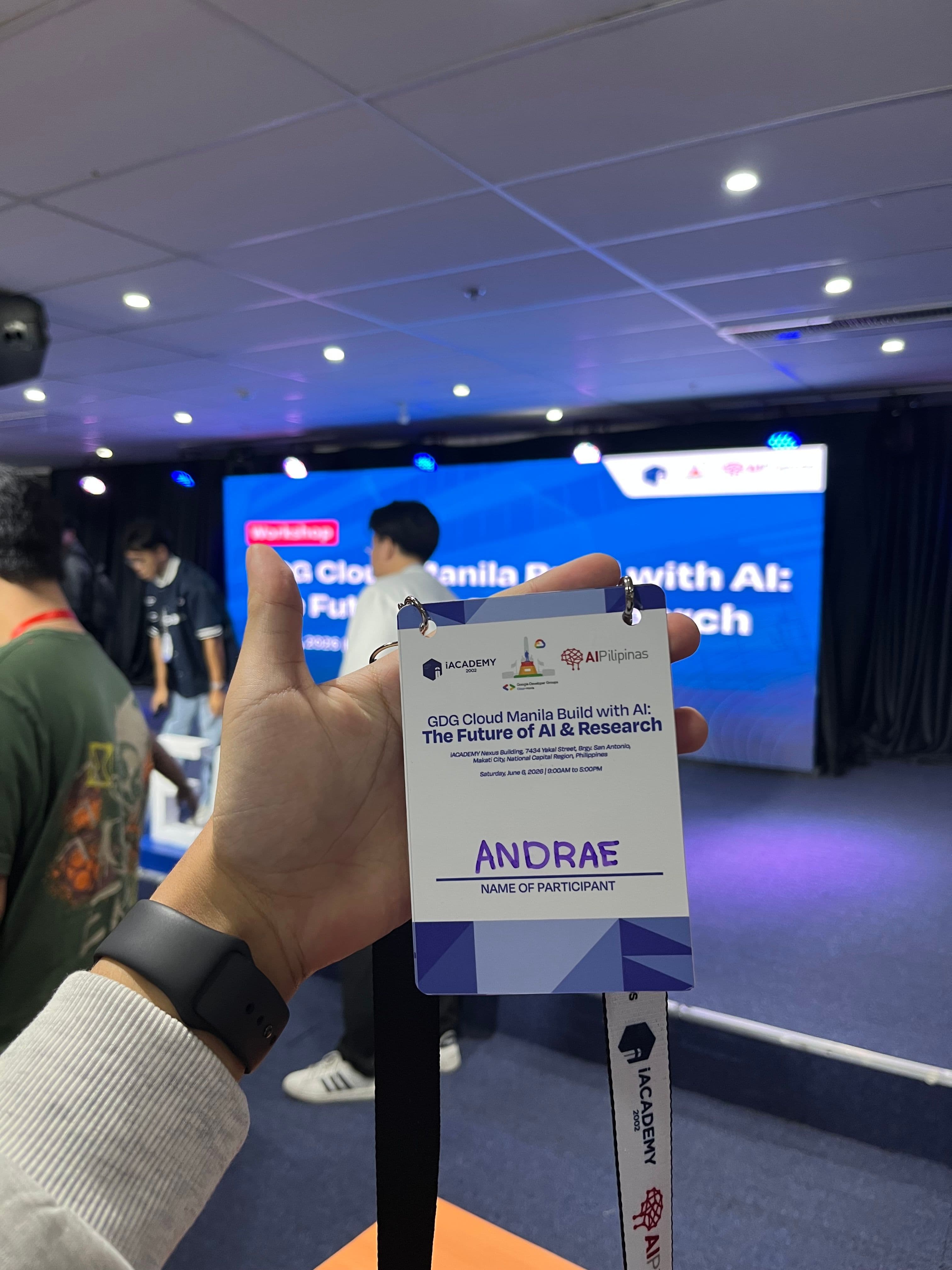
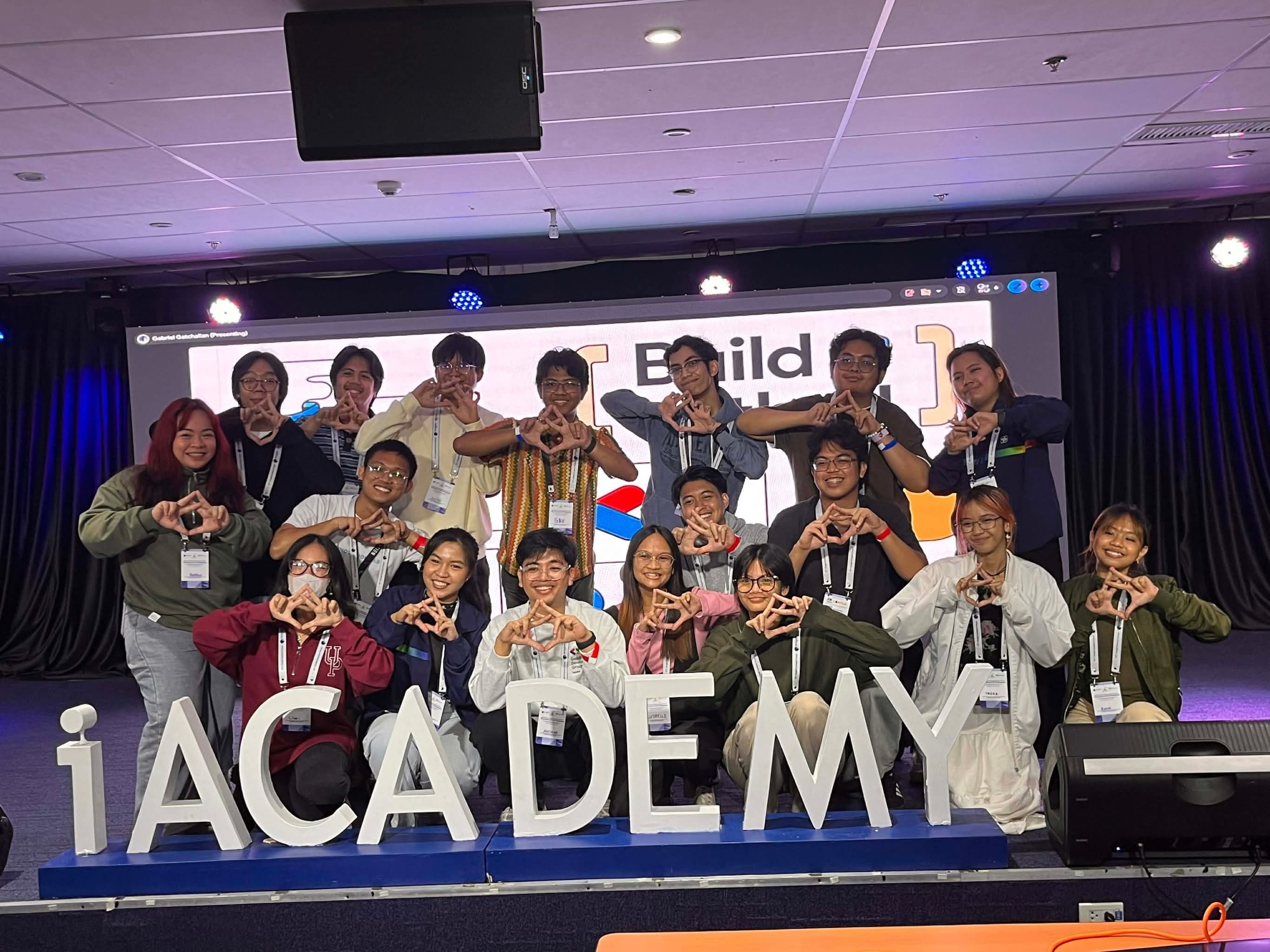
I recently spent a day at iAcademy for the "GDG Cloud Manila BWAI: The Future of AI Research" event. While a good chunk of the session touched on thesis writing—which, let’s be honest, felt a bit like "AI slop" compared to the rigorous approach we take back at the University of the Philippines—there were some genuine gems in the technical and ethical discussions that made the trip worthwhile.
Here’s the breakdown of what actually stuck, minus the academic fluff.
1. The Kitchen Analogy: Hosted APIs vs. Open Weights
The most relatable takeaway was the "Jollibee vs. Home Cooking" comparison for AI deployment.
Hosted APIs (The Jollibee Approach):
Using APIs like Gemini or GPT is like ordering out. It’s convenient, you pay for what you eat (per token), and you don't have to worry about the kitchen. But you’re also stuck with their menu and their prices.
Open Weights (The Home Cooking Approach):
Models like Gemma 4 give you the raw ingredients. You own the "kitchen" (your own GPU/infrastructure), you have absolute privacy, and there’s no vendor lock-in. You pay for the gas (GPU-hours), not the meal.
For a dev, the choice comes down to Control vs. Convenience. Seeing the Gemma 4 lineup—from the 2B model that can run on a high-end phone to the 31B beast for research—reminded me that we’re moving toward a world where you don't always need a multi-billion dollar company’s permission to build something powerful.
2. The Tech That Actually Makes it Scalable: vLLM & Cloud Run
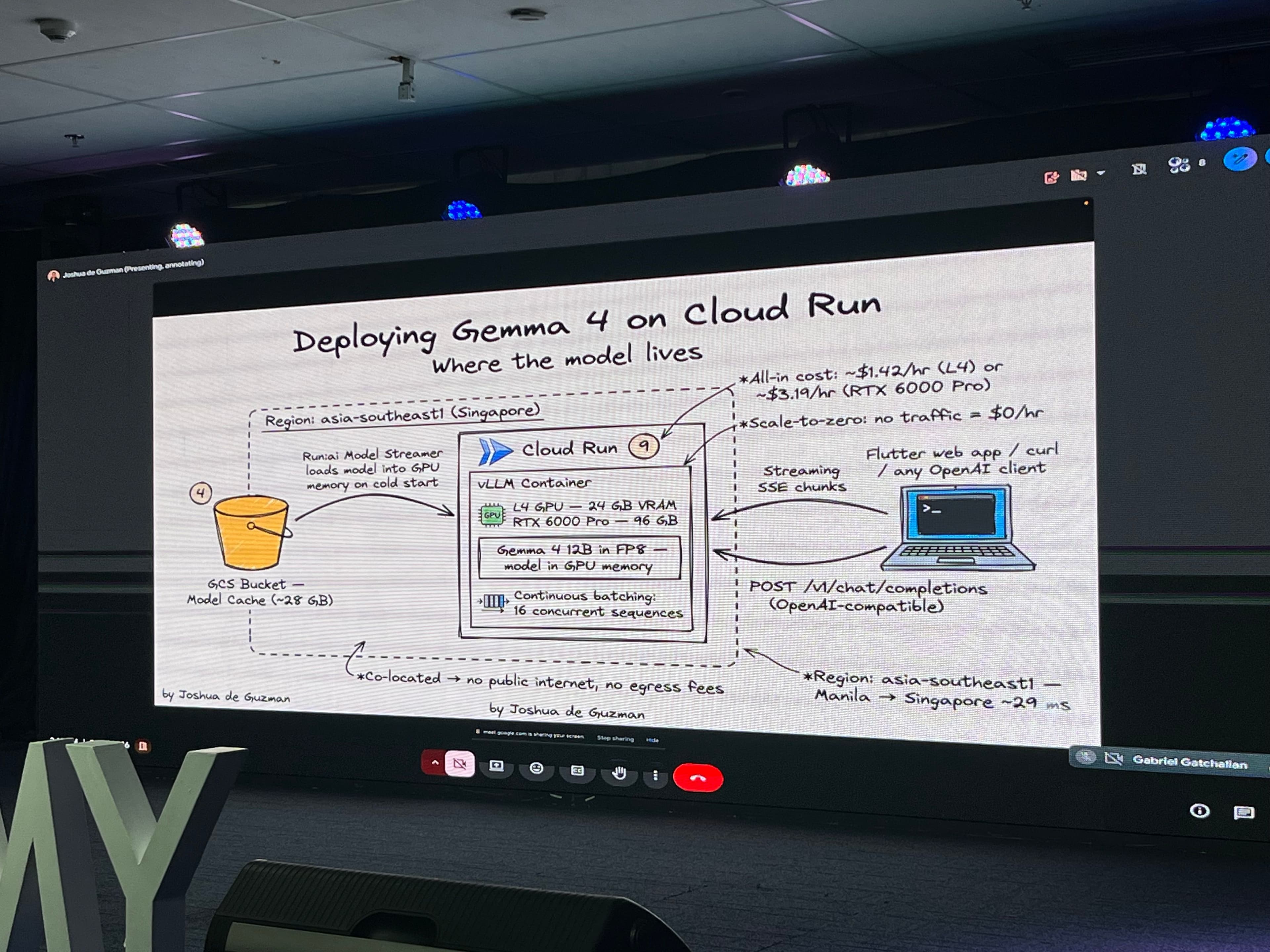
Deployment is usually where the "Future of AI" talk hits a brick wall of "It's too expensive." The deep dive into vLLM was the highlight for me.
Most people don't realize that 60-80% of a GPU's power is usually wasted during inference. vLLM fixes this with PagedAttention, which manages memory like a virtual OS. Instead of one conversation per GPU, you’re packing 12+ concurrent sequences using continuous batching.
Combine that with Cloud Run, and you get the holy grail: Scale-to-Zero. If nobody’s using your app, your bill is $0/hr. When traffic hits, you spin up an L4 GPU in Singapore (~29ms latency from Manila), and you're in business. It’s a production-ready blueprint that actually makes sense for researchers and startups.
3. Ethics: AI is a Tool, Not a Replacement
We hear a lot about "Responsible AI," but it’s often just corporate PR. At BWAI, we stripped it down to the essentials: Fairness, Transparency, and Human-in-the-loop.
The core mantra was simple: "AI is a tool, not a replacement for human intelligence and dignity."
As developers, it’s our job to question assumptions and document limitations rather than just shipping "hallucination-prone" models and hoping for the best. It wasn't just about making the AI "nice"; it was about making it trustworthy. If we can't explain why a model made a decision, we shouldn't be using it for anything that affects real people.
4. A Quick Review of Agents
They also touched on Agentic AI—the Perceive -> Reason -> Act loop. It was a good refresher on why single agents often fail (context limits, single points of failure) and why Multi-Agent Systems are the move. Breaking complex goals into smaller subtasks handled by specialized agents is basically just good software engineering applied to LLMs. It’s not magic; it’s just better task decomposition.
Final Thoughts
The event wasn't perfect, and the "thesis guidance" could have used a bit more of that UP-level rigor. However, focusing on the transition from hosted "black boxes" to open, ethical, and efficient local deployments was a great way to frame where the research is actually heading.
AI shouldn't be about generating slop; it should be about building tools that we actually understand and control.
TECHNICAL DOCUMENTATION: GALLERY
4 BUILD ARTIFACTS